

Understand the basics
Portugal, a haven of excellence for tourists, beckons with a delightful climate that stands out even in the European context. Its landscapes are a masterpiece of breathtaking beauty, while its beaches are nothing short of paradisiacal. This wondrous country boasts magnificent natural reserves, inviting visitors to immerse themselves in the wonders of nature. But the true heart of Portugal lies in its warm hospitality, world-renowned, that welcomes every traveler with open arms.
(…) you’ll discover a world where every moment is a celebration of life’s wonders.
Vibrant cities and quaint localities embrace Portuguese experiences and traditions, ensuring that every step of the journey is filled with joy and authenticity. And speaking of delights, Portugal’s products and gastronomy shine bright, with its wine taking center stage, proudly representing the country to every corner of the world.
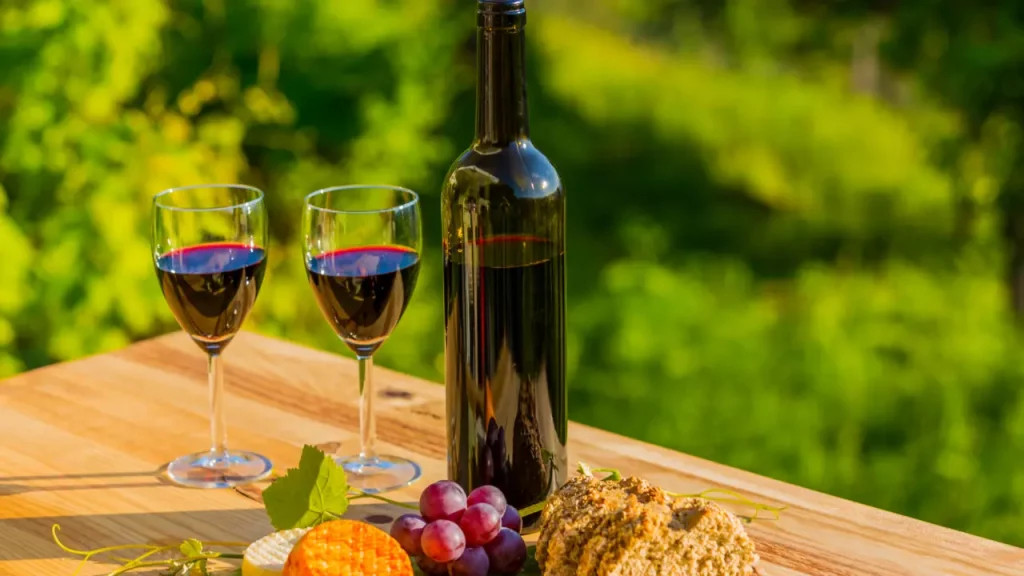
Today, Portugal stands tall as the 11th largest wine producer globally, a testament to its dedication to quality and craftsmanship. Representing an average of 3% of all world production, its diverse types and grape varieties make Portuguese wine a treasure to savor and celebrate. From north to south, 14 demarcated wine regions grace the land, each offering a unique and delightful wine experience: Vinho Verde, Trás-os-Montes, Douro, Távora-Varosa, Bairrada, Dão, Beira Interior, Lisboa, Tejo, Península de Setúbal, Alentejo, Algarve, Madeira, and Açores.
As you traverse the enchanting landscape of Portugal, from its wine regions to its breathtaking vistas, you’ll discover a world where every moment is a celebration of life’s wonders. The magic of this country lies in its ability to captivate your heart and soul, leaving you with memories that will forever echo with positivity and gratitude for the beauty that is Portugal. So, let your senses come alive, raise a glass to the joy of life, and let the essence of Portugal carry you on an unforgettable journey of joy and enchantment!
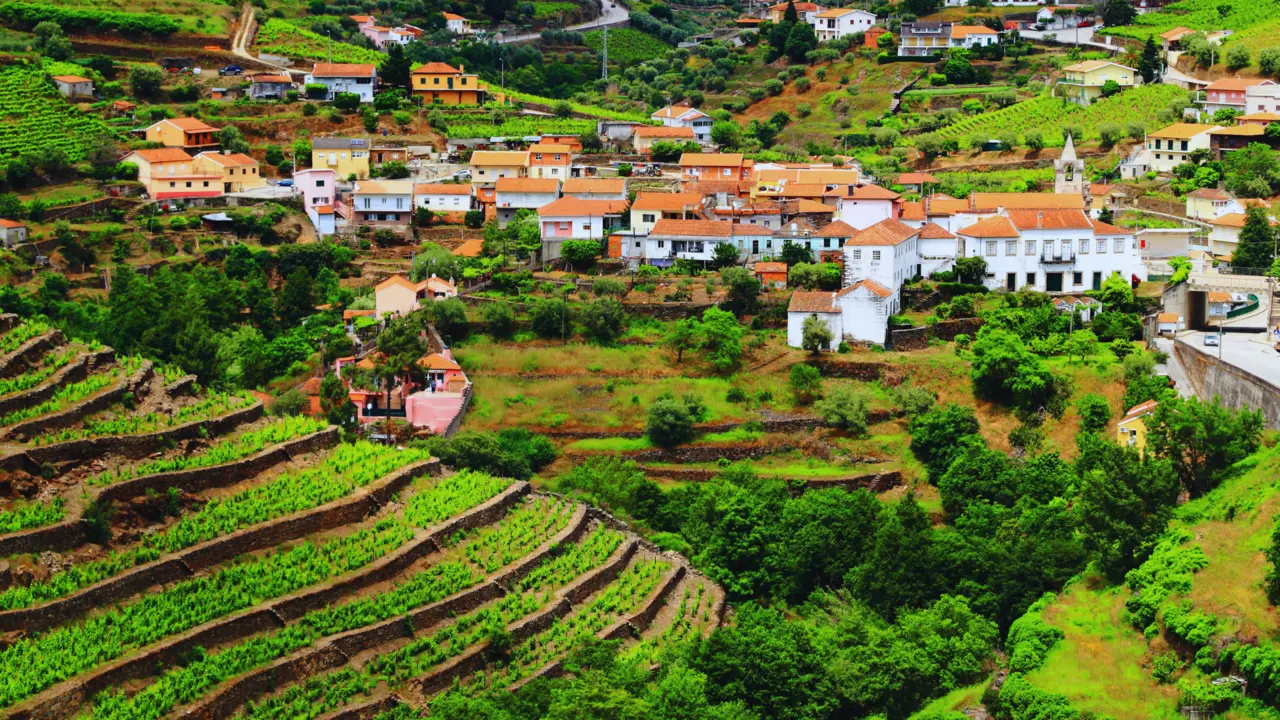
How to recognize a good Portuguese wine?
There are a few ways to recognize a good Portuguese wine. One way is to look at the quality levels of Portuguese wines. There are three levels of wine quality in Portugal, which can be identified by looking at the wine label and checking the classification.
Another way to recognize a good Portuguese wine is to learn about the different wine regions and grape varieties. Portugal has a great tradition of winemaking with a wealth of characterful indigenous grape varieties as well as a wonderfully varied climate and topography. The unique flavors that are the hallmark of Portugal’s indigenous grape varieties have become its trump card.
You can also try different wines from different regions and producers to find out what you like. Tasting wines from different regions and producers can help you develop your palate and learn more about the characteristics of Portuguese wines.
Classification
Portuguese wine regions are grouped into three levels of classification: Denominação de Origem Controlada (DOC), Indicação de Proveniência Regulamentada (IPR), and Vinho Regional (VR). DOCs are quality wines produced in specified regions under the European Union wine regulations. IPRs are used for DOC candidates “in training” and are also quality wines produced in specified regions. VRs each cover a larger area and are similar to the French Vin de pays at regional/departmental level.
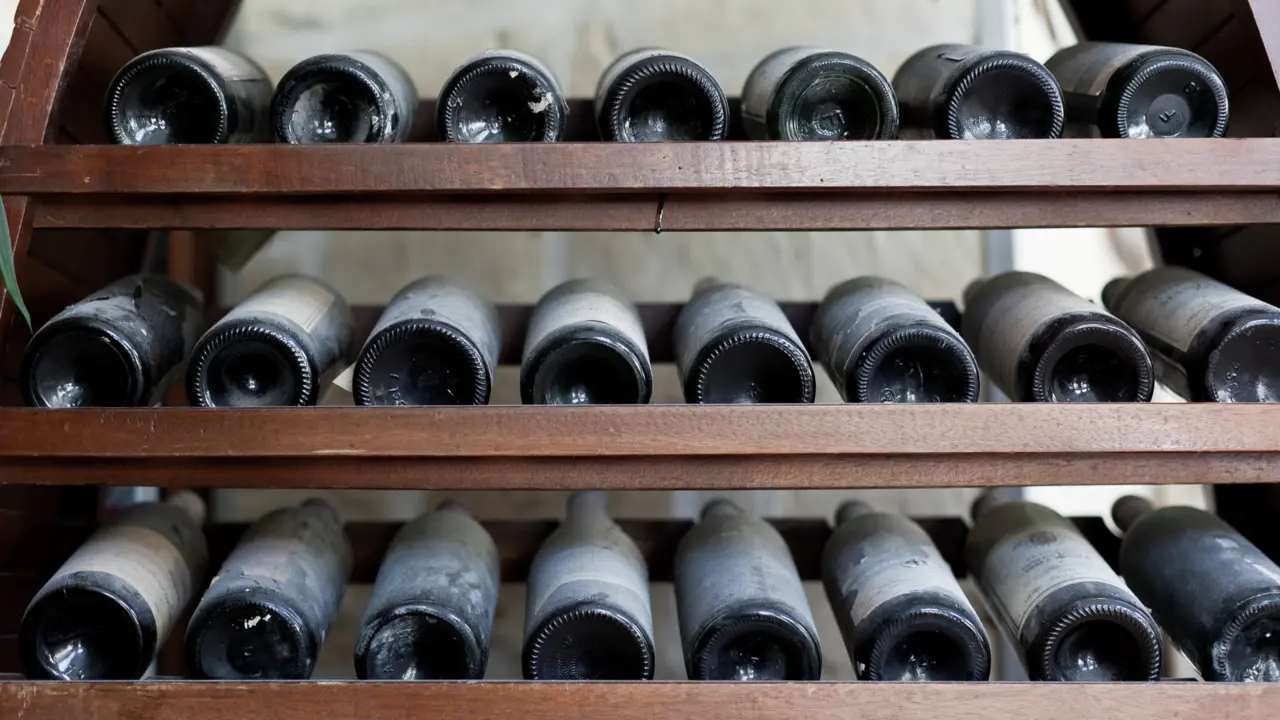
Regional Wines
Regional Wines in Portugal are wines produced in specific regions, but that do not meet all the criteria to receive the Denomination of Controlled Origin (DOC in portuguese) or Protected Geographical Indication (IGP in portuguese). These wines still follow strict production rules and are evaluated by the Regional Wine Commissions, but have more flexibility in relation to the grape varieties used and winemaking techniques. This allows producers to experiment and create unique and innovative wines.
Protected Geographical Indication (IGP)
In Portugal IGP stands for “Protected Geographical Indication” and is a quality seal that indicates that a food product, such as wine, is produced in a specific region and follows strict production rules. PGI is a way of protecting the quality and reputation of regional products, ensuring that only products that meet established criteria can use the designation.
Denomination of Controlled Origin (DOC)
In Portugal the acronym DOC stands for “Denomination of Controlled Origin” and is a quality seal that indicates that a food product, such as wine, is produced in a specific region and follows strict production rules. The DOC is a way of protecting the quality and reputation of regional products, ensuring that only products that meet the established criteria can use the denomination. This means that when you buy a wine with the DOC label, you can be sure that you are buying a high quality product, produced according to local traditions.
For a wine to receive the DOC, it must be produced within a certain region that is regulated, in which rules have been created that can range from regional boundaries, passing through the type of grape varieties and ways of growing them, but also the aging time before and after bottling, among others. These rules aim to guarantee the indisputable character of the wines produced in that zone or region.
DOC wines are evaluated by the Regional Wine Commissions, by the Institute of Douro and Porto Wines or by the Institute of Wine, Embroidery and Crafts of Madeira, which are the bodies that control and regulate DOCs in Portugal. These entities have the task of ensuring that the rules of each region are complied with, as well as the quality of the wines produced in each region. The wines are evaluated not only for their intrinsic quality, but also in relation to the characteristics they must meet for being produced in that region.
Castas
Caste in Portuguese “Casta” is the name given to the set of vines whose morphological characteristics and particular qualities give the wine a unique character that is very different from variety to variety. Around the world there are between ten and twenty thousand varieties but only 500 are cultivated and reproduced by man. In Portugal there are 26 most used grape varieties, with complex names like Malvasia Fina or Marsanne, or traditional ones like Rabo de Ovelha. This without forgetting Touriga Nacional, considered the most Portuguese of all grape varieties.
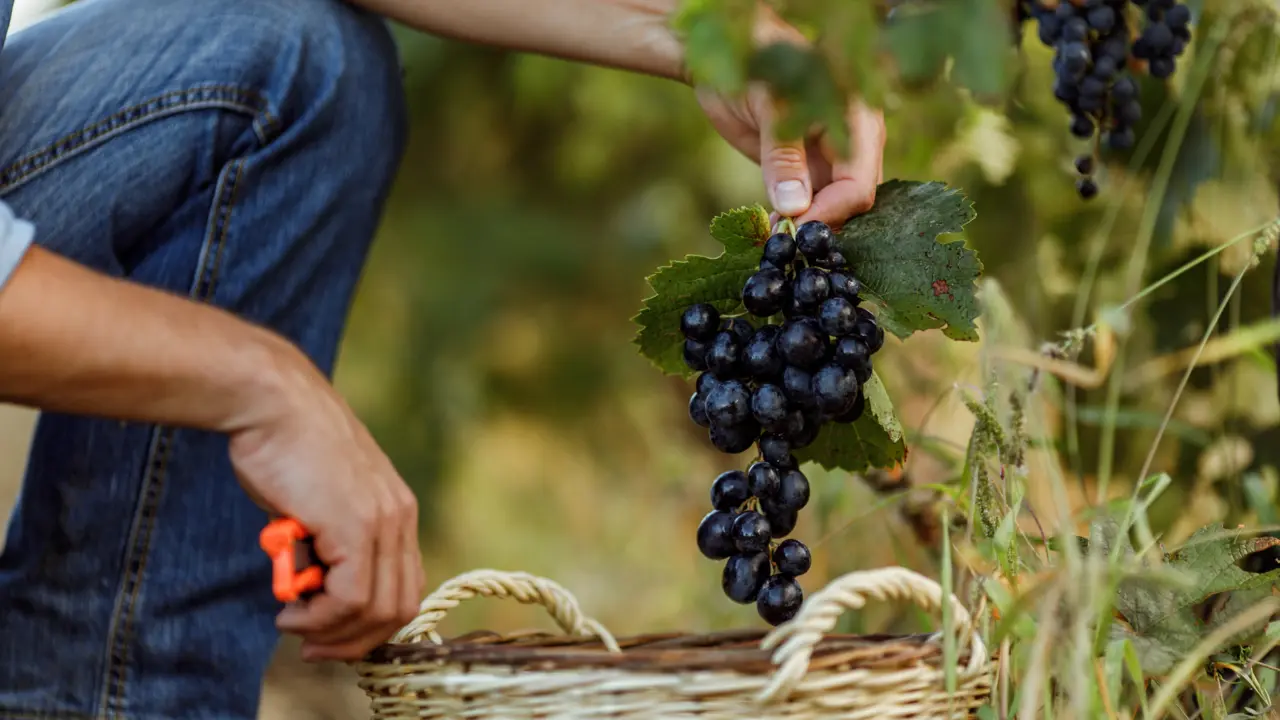
Portuguese Wine regions
Portugal has several wine regions that produce different types of wines, from the refreshing and crisp whites of Vinho Verde to the robust and lush ports of Douro. Here is a list of some of the Portuguese wine regions and some information about the wine and its classification.
Douro
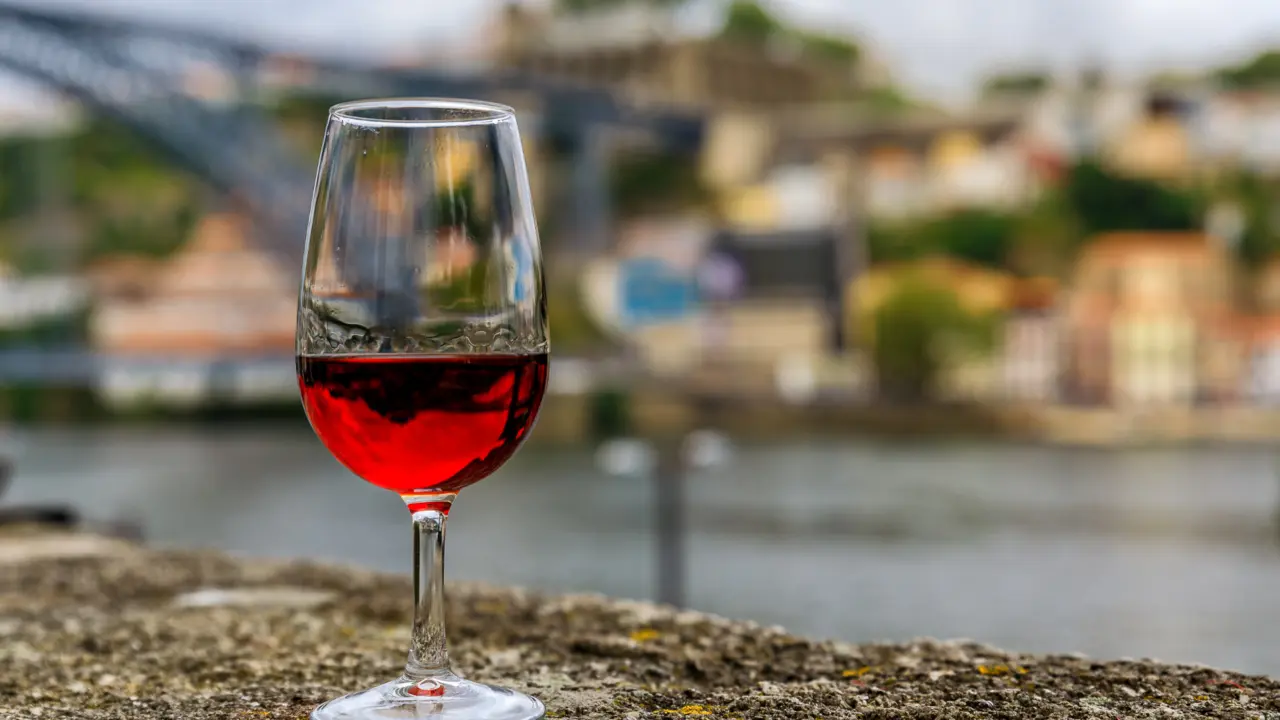
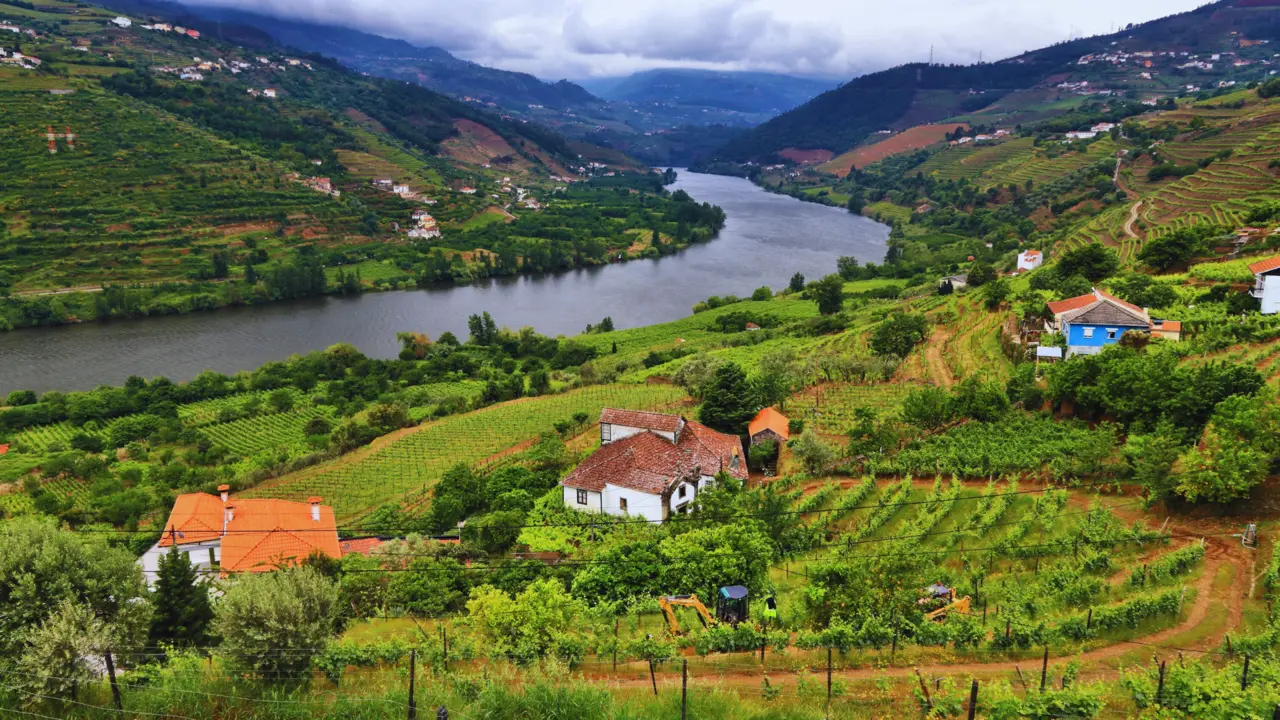
Located in the Trás-os-Montes and Alto Douro regions, the Douro Wine Region is a mountainous region with vineyards located on the margins of the river, on very steep hills that have been prepared for this production.
Dão
Located in the mountainous region in the Center of Portugal, usually between 400 and 700 meters high, sits the Dão Wine Region. The region is one of the oldest established wine regions in the country and is now a region DOC.
Minho (Vinho Verde)
Minho is Portugal’s northernmost wine region. It is known for one wine style above all others: crisp, light, white Vinho Verde, whose DOC zone covers the same territory. The Minho name is used for the area’s Vinho Regional designation (similar to the French IGP).
Bairrada
Bairrada is a DOC of the Beiras region in the central northern area of Portugal. It is known for producing rich, deeply colored red wines made from Baga, Castelão and Rufete grapes.
Tavora-Varosa
Távora-Varosa is a small, remote and mountainous DOC wine region at the northern edge of Beiras, in central-northern Portugal. Although located between the country’s two most famous red-wine regions (Douro to the north and Dão to the south), Távora-Varosa is known for its white sparkling wines.
Trás-os-Montes
Trás-os-Montes is a Portuguese wine region located in the Trás-os-Montes e Alto Douro region. The entire wine region is entitled to use the Vinho Regional designation Transmontano VR, while some areas are also classified at the higher DOC level under the designation Trás-os-Montes DOC.
Beira Interior
Beira Interior is the easternmost DOC of the Beiras wine region in the northern half of Portugal. It is less well known than its neighbors to the west, Bairrada and Dão, but still makes a wide range of wines.
Tejo
Tejo, until 2009 named Ribatejo, is a Portuguese wine region covering the same areas as the Ribatejo Province. It takes its name from the river Tejo (Tagus). The entire region is entitled to use the Vinho Regional designation Tejo VR , while some areas are also classified at the higher level under the designation Trás-os-Montes DOC.
Lisboa
Lisbon wine region runs along the Atlantic Ocean and this geographically long and thin region is surrounded by Tejo, Setúbal, and Bairrada wine regions. The location of Lisbon along the Atlantic coast has a strong influence on the local climate and brings strong winds.
Alentejo
Alentejo is a large wine region in eastern Portugal that covers about a third of the country and has eight subregions. It is known for its red wine, mainly made from Aragonez, Castelão, and Trincadeira grapes, and sold under the Alentejo DOC title.
Algarve
Algarve is a wine region located in the southernmost part of Portugal. It is known for its warm climate, sandy beaches, and thriving tourist industry. The region has a long history of wine production, with vineyards dating back to Roman times. The wines of the Algarve are known for their fruitiness and freshness, with reds often having a good balance of tannins and acidity. The whites are usually light and crisp, with good acidity and floral aromas.
Setúbal Peninsula
Península de Setúbal is a Portuguese wine region immediately southeast of Lisbon, across Tejo estuary. The terroir in area ranges from sandy coastal plains to craggy, limestone-rich Serra Arrabida hills.
Madeira
Madeira is a Portuguese wine region located on the island of Madeira, off the coast of Africa. The region is known for its fortified wine, named after the place where it is made – Madeira wine. The Madeira wine region forms part of the DO Madeira, DO Madeirenses as well as IG Terras Madeirenses. The region offers wine lovers a wide range of excellent and high-quality wines. Treat yourself to the world-known Madeira fortified wines and visit some of the best wine houses in Portugal.
Açores
The Açores VR is a Portuguese wine region located in the archipelago of Azores. The cultivation of vines takes on a special meaning in 3 islands: Graciosa, Terceira and Pico, and some minor production in São Miguel. Vine cultivation dates back to the same century of its occupation, in the 15th century. In the 17th and 18th centuries, wines produced in the Açores, namely those produced on the island of Pico, were exported to Russia and most countries in northern Europe.
Now you are a Master
In the heart of this small yet mighty country lies a magnificent secret: Portugal stands tall among the largest wine producers in the world. The magic of its success lies in the uniqueness of its climate, blessed with the gift of diverse microclimates that grace every inch of its territory, from the mainland to the serene Atlantic islands. Here, the climate nurtures the grapes with tender care, weaving a symphony of flavors and aromas that captivate the senses.
This beguiling climate also beckons travelers from near and far, inviting them to discover a land of gentle warmth, stunning landscapes, and sun-kissed beaches. But the true allure lies in Portugal’s rich cuisine and the warmth of its hospitality, where visitors are embraced like cherished guests, finding a home away from home.
For those embarking on a journey to Portugal, the sweet nectar of the gods awaits. Sip and savor the divine wines that grace the tables, each a testament to the craftsmanship of winemakers and the love for their land. But as you revel in the pleasures, remember the golden rule: if you’re driving, savor in moderation, for the true magic lies in cherishing every moment, every taste, and every experience.
So, let Portugal’s positivity sweep you off your feet, and immerse yourself in the wonders of this enchanting land. From the vineyards that stretch to the horizon to the warmth of hospitality that fills the air, Portugal is a place where dreams come alive, and where the joy of life finds its perfect expression. Cheers to the beauty of Portugal’s wine culture, and may your journey be filled with laughter, love, and a heart brimming with gratitude for the wonders of this exquisite country!

If you are visiting Portugal, be sure to try the nectar that the gods lent the Portuguese people, and remember that if you are driving, drink in moderation.
In Portugal, the permitted blood alcohol level is as follows:
It is forbidden to drive with a blood alcohol level equal to or greater than 0.5 g/l – “ordinary” drivers (not included in the list indicated in the next point).
It is prohibited to drive with a blood alcohol level equal to or greater than 0.2 g/l – new drivers (during the first 3 years of validity of the driving licence), driver of rescue or urgent service vehicles, public transport for children and young people up to the age of 16, taxis, heavy passenger or goods cars, or transporting dangerous goods.
Know more about Portugal driving laws in the website portugaldrivinglaws.com dedicated to this specific subject.Do you want to know more about the Portuguese wine regions? Check: “Portugal Wine Regions Itinerary”. If you want to know more about the history of Portuguese wine? Check: “The history of Portuguese wine: From Tartessians to nowadays”.