

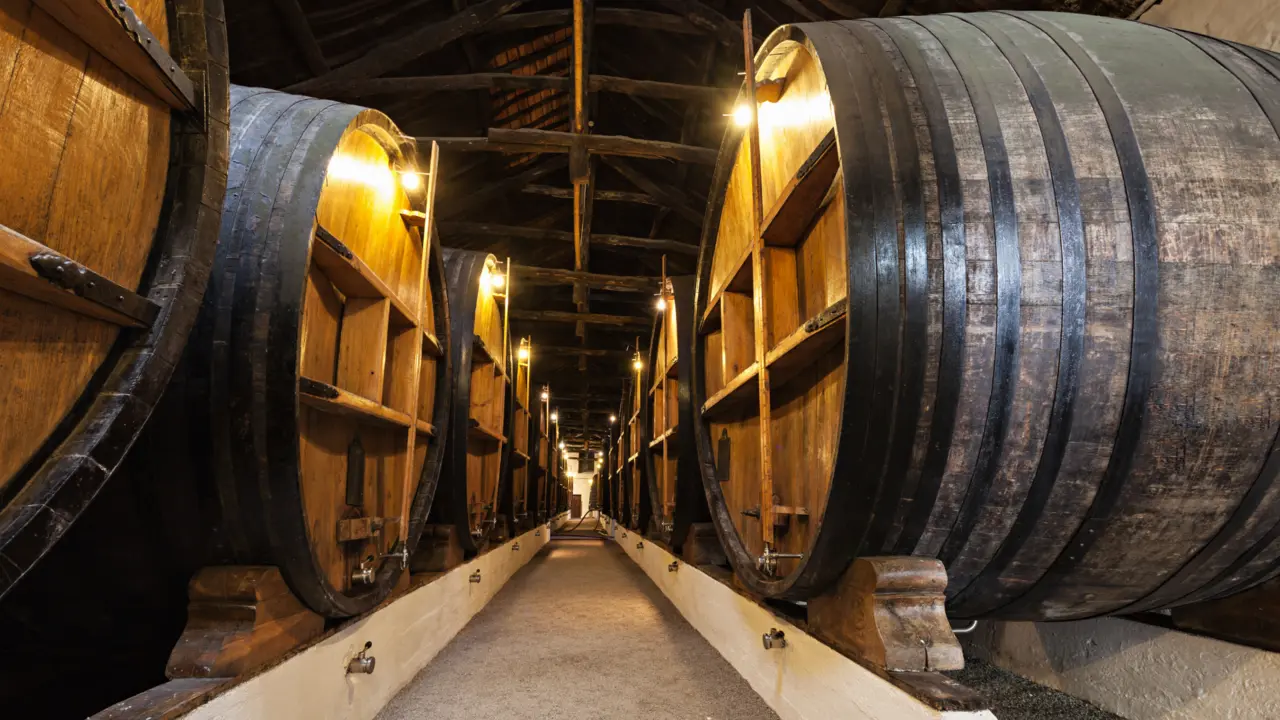
Portugal, as a marvelous destination
Portugal stands as a nation of exceptional allure, captivating travelers with its unique blend of enchanting attractions. A testament to its esteemed status as a tourist destination of excellence lies in its diverse offerings that extend beyond geographical boundaries.
The pleasant climate, harmonizing with the European context, beckons visitors to bask in the splendor of breathtaking landscapes and paradisiacal beaches. Nestled within its bosom, wonderful natural reserves reveal a sanctuary for nature enthusiasts seeking refuge from the world’s hustle.
At the core of this captivating allure resides the world-renowned hospitality, which embraces each traveler with open arms, ensuring they find solace and comfort in their sojourn. Amidst the vibrancy of cities and the authenticity of localities, cherished Portuguese experiences and traditions are diligently preserved, presenting a glimpse into the nation’s rich heritage.
At the time, wine was used as a bargaining chip (…)
Beyond the visual delights, Portugal’s reputation for superior products and gastronomy echoes across continents. Notably, its wine, proudly carrying the name of Portugal to every corner of the globe, stands as a testament to the nation’s craftsmanship and dedication to viticulture.
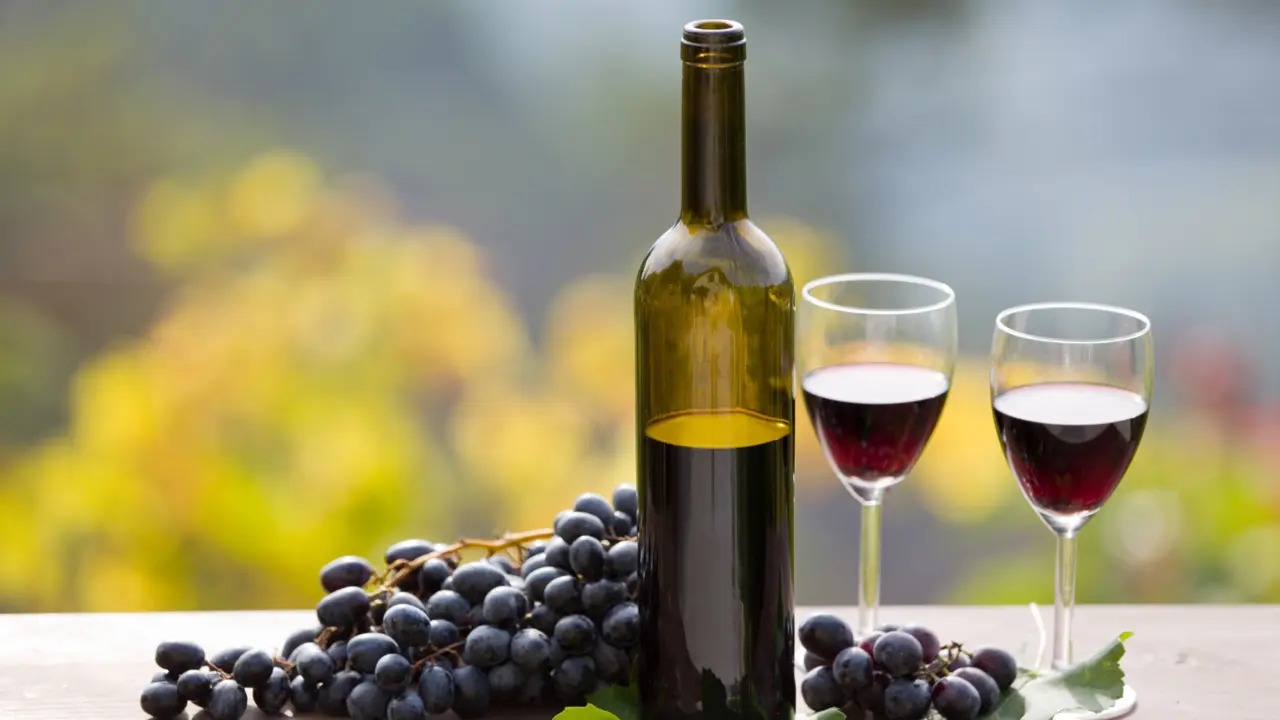
From Tartessians to Arabs, brief story of Portuguese Wine
The origins of wine are almost as old as humanity itself. Although it is difficult to establish where and when man began to produce wine, it is likely that the vine was cultivated for the first time in the Iberian Peninsula back to at least 2000 BC, more precisely in the Tagus and Sado Valley. Those responsible for this feat, which would forever change the history of the world, were the Tartessians, two thousand years before Christ, one of the oldest peoples on the Iberian Peninsula.
At the time, wine was used as a bargaining chip, and this continued when the Phoenicians took over (by force) the Tartessian businesses by the 10th century BC. Despite this, the Phoenicians contributed with new winemaking techniques and different castes that they introduced in what was then Lusitania. However, and like hundreds of other things, it was the Greeks who, when they settled in the Iberian Peninsula, developed the art of viticulture.
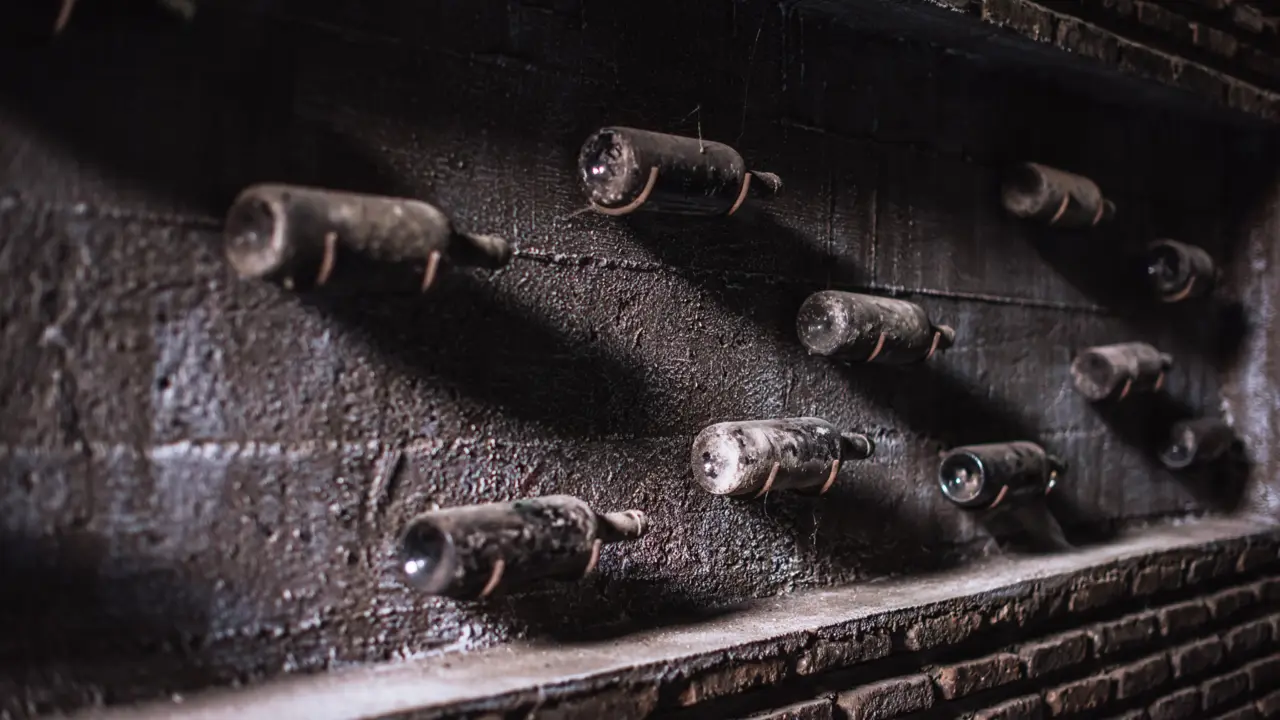
With Roman domination of the entire territory, and total subjugation of the Lusitanian people in 15 BC. C. came the modernization of vineyard culture and some techniques such as pruning. Despite the invasion, it is the Romans that we have to thank for their knowledge in the art of making good wine.
The Iberian Peninsula has always been a real stage for invasions, domains and peoples. From Celts, Iberians, Barbarians, Swabians and Visigoths, Portugal is a mixture of peoples and knowledge deepened in thousands of years. Although wine was already quite popular, it was with the expansion of Christianity, in the 6th and 7th centuries AD, that it became even more important and an obligatory presence in the act of communion, where it represents the blood of Christ, together with the host that represents the body. Even with the invasion of the Arab peoples of the Iberian Peninsula, wine lost strength (the Koran, the holy book of the Muslim religion, prohibits the consumption of fermented beverages, including wine) because agriculture was very important for the economy.
Expansion years
The rich history of Portuguese wines stretches back to the 12th century, when these noble libations embarked on their journey to distant lands. The “Entre Douro” e Minho region, encompassing present-day Portuguese wine regions like Douro and Vinho Verde, proudly bore the honor of being the first to export their wines to England.
In the year 1386, a momentous event unfolded as Portugal and England solidified their diplomatic ties through the Treaty of Windsor. This pivotal agreement not only strengthened their bond but also laid the foundation for extensive trade opportunities, opening the door for Portuguese wines to find a cherished place in the British market.
As the centuries passed, Portuguese wine production experienced a remarkable transformation. Between the late 17th and early 18th centuries, demand surged within Portugal itself, its overseas possessions, and, significantly, Britain. This burgeoning demand led to a fivefold increase in Portuguese wine production, signifying the growing allure of these wines beyond the nation’s borders.
The turning point came with the 1703 Methuen Treaty, a testament to the expanding economic interests between England and Portugal. By reducing tariffs and favoring Portuguese wines over their French counterparts in the British market, this treaty fueled further appreciation for Portuguese wines, particularly the burgeoning popularity of the fortified wine known as Port.
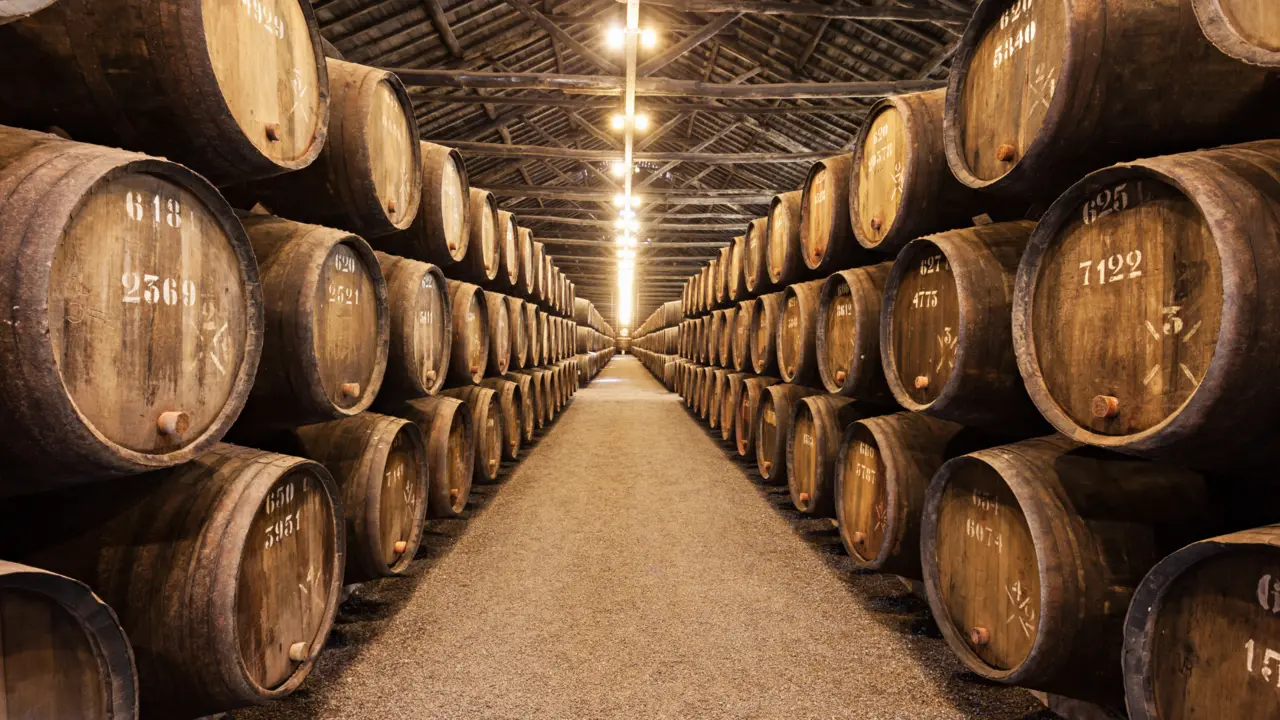
In 1756, a momentous occasion transpired under the guiding hand of Sebastião José de Carvalho e Melo, Marquis of Pombal. He established the world’s first protected designation of origin for Port wines, delineating boundaries and regulations to safeguard the authenticity and provenance of this treasured libation from the Douro region.
As time marched on, the mid-to-late 20th century witnessed the rise of sweet, slightly sparkling rosé brands from Portugal, most notably Mateus and Lancers, captivating the palates of global wine enthusiasts, with the British market once again at the forefront.
The mid-1980s brought a pivotal moment of transformation, as Portugal’s entry into the European Union ushered in a new era of prosperity for the Portuguese wine industry. With a flood of financing and grants, the stagnant wine landscape experienced a renaissance. Investments poured into winemaking technology and facilities, breathing new life into the industry.
A renewed interest in the abundance of unique Portuguese grape varieties spurred a shift towards premium wine production. With a diverse portfolio of dry red and white wines, Portugal’s offerings found a place on the global stage, captivating wine lovers far and wide.
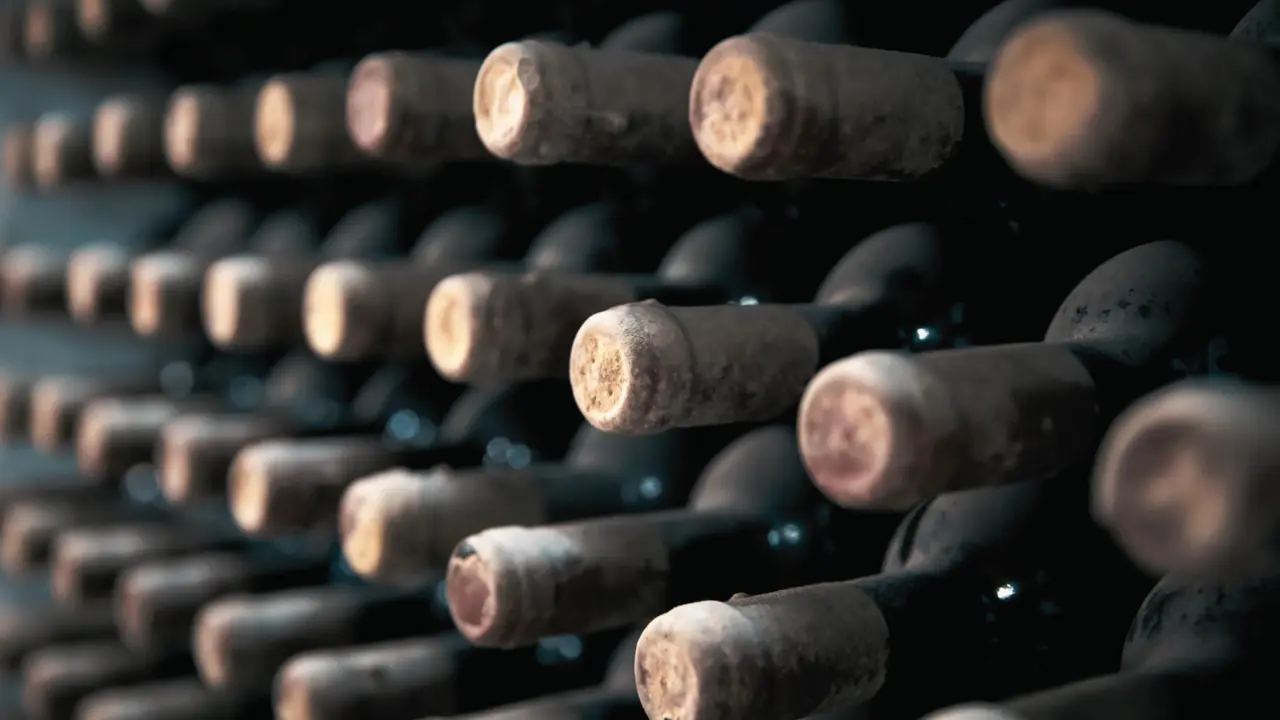
Portuguese wine production, current state
Today wine is a hallmark of Portugal, and Portuguese wines have received thousands of awards in international competitions. As it stands today, Portugal is very close to being one of the top 10 wine producers in the world and this activity represents one of the main economic activities of Portugal and the wine is one of the top exportation products in the country.
The diversity of wine types and grape varieties scattered across the nation contributes to its esteemed position in the viticultural landscape.
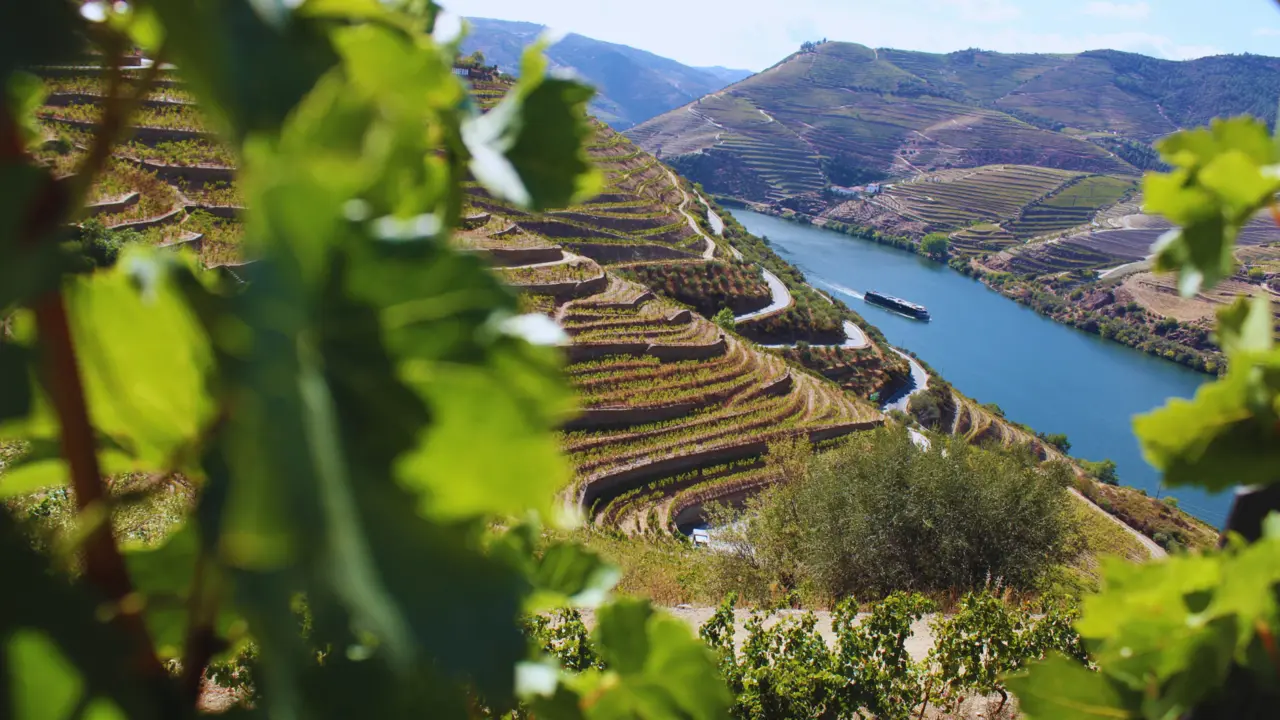
The wines produced in Portugal are subject to a carefully structured classification system, affirming their quality and adherence to stringent standards. Within this vinous realm, Portugal boasts 14 meticulously demarcated wine regions, each an embodiment of terroir and winemaking finesse.
Portugal’s illustrious journey in the realm of viticulture stands as a testament to the nation’s passion for winemaking, leaving an indelible mark on the global wine industry. As the legacy of Portuguese wine continues to evolve, travelers and connoisseurs alike are beckoned to savor the essence of this storied land through every pour, preserving the spirit of Portugal in a glass.
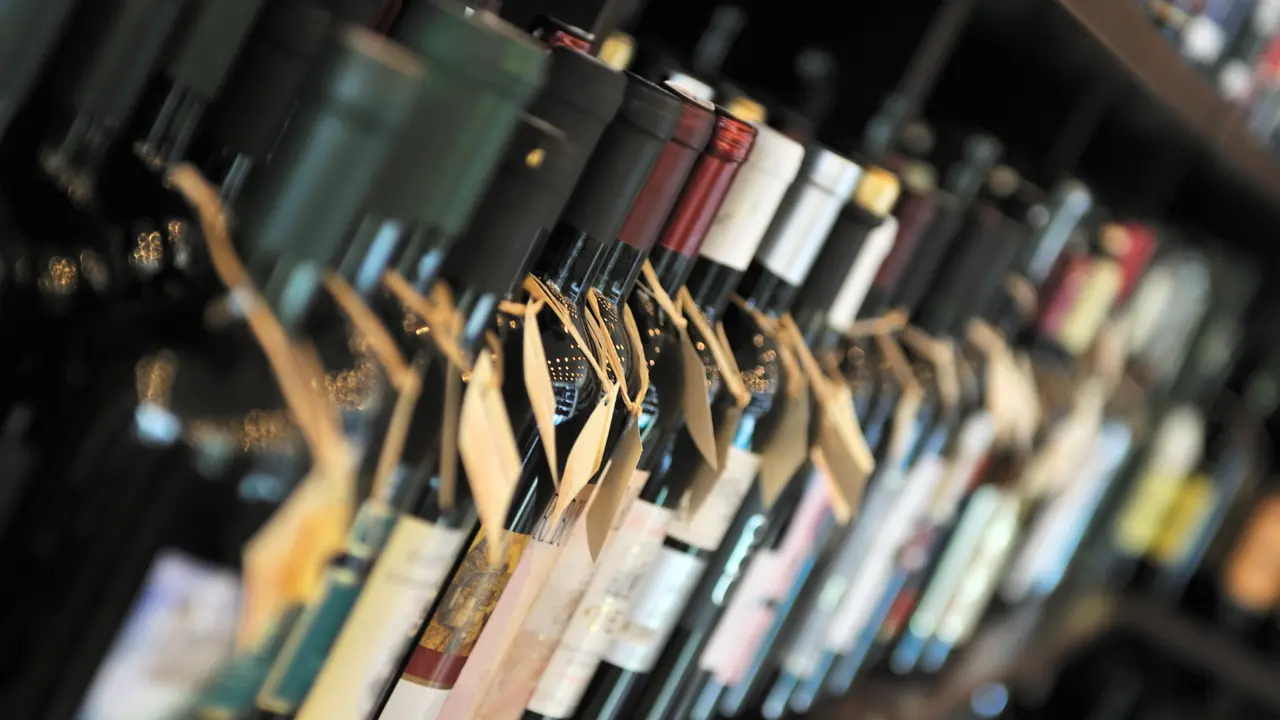
Portugal is a wine lover’s delight
The history of Portuguese wines reflects a remarkable journey of perseverance, innovation, and celebration. From the medieval trade routes to the global marketplace, these wines stand as a testament to the nation’s rich winemaking heritage, offering a taste of history and tradition with each velvety sip.
Portugal may be small, but it stands tall as one of the world’s largest wine producers. Its secret lies in the diverse climate, with unique microclimates across the mainland and Atlantic islands, creating the perfect conditions for growing grapes. Tourists flock here for the mild climate, stunning landscapes, beautiful beaches, rich cuisine, and warm hospitality that makes them feel at home.
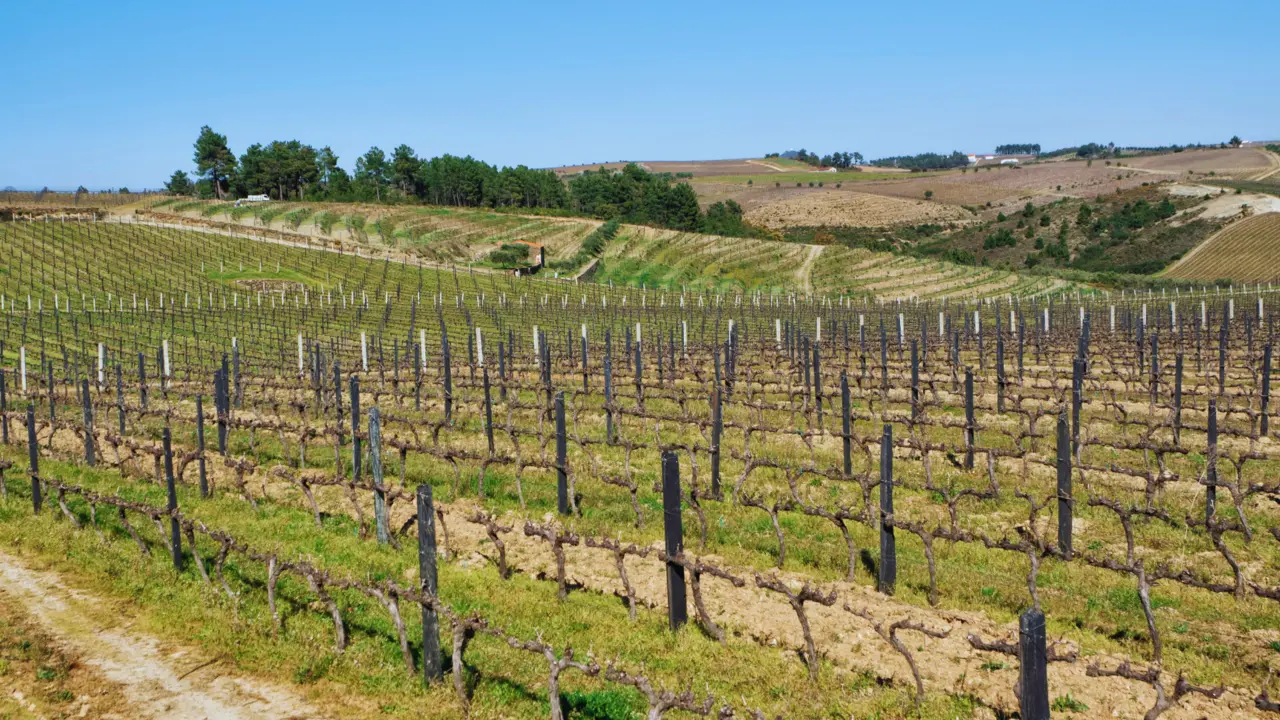
Visiting Portugal is a wine lover’s delight. The wines are like nectar from the gods, with each sip reflecting the unique terroir. Just remember, if you’re driving, drink in moderation. So, raise a glass to Portugal’s vinous heritage and savor the magic of its wines, a blend of history, geography, and passion that captivates the senses.
If you are visiting Portugal, be sure to try the nectar that the gods lent the Portuguese people, and remember that if you are driving, drink in moderation.
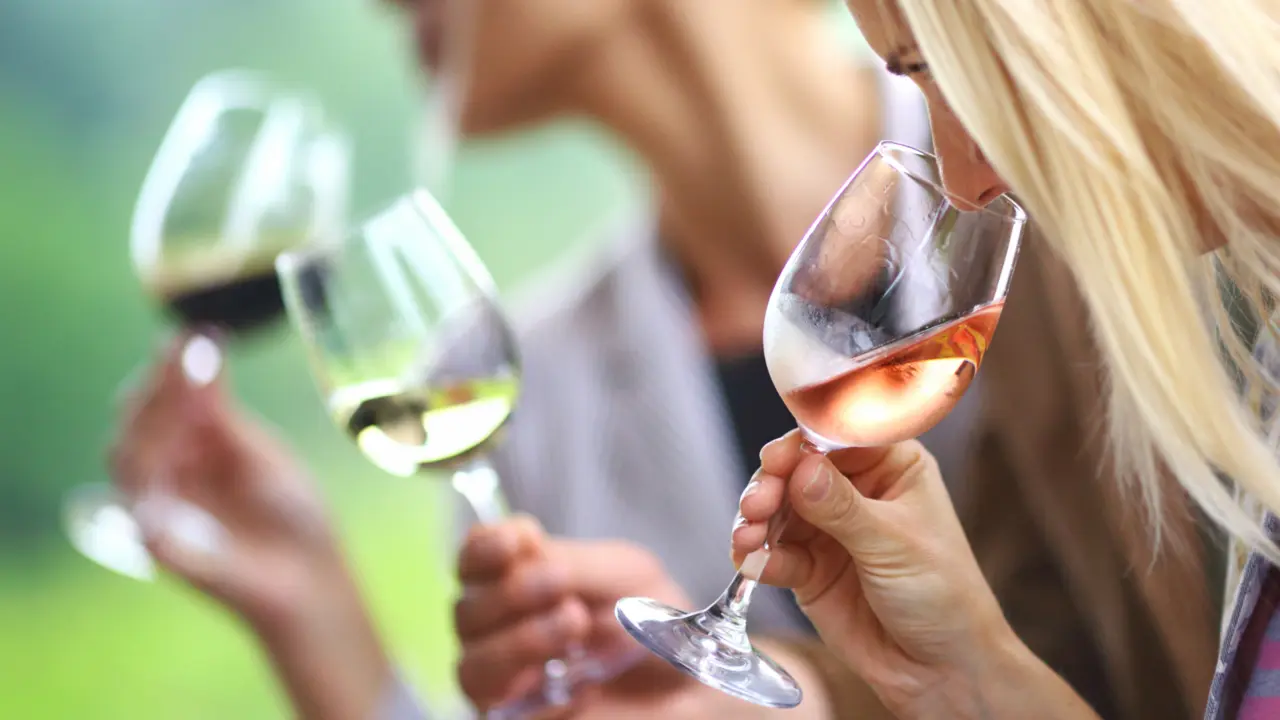
In Portugal, the permitted blood alcohol level is as follows:
It is forbidden to drive with a blood alcohol level equal to or greater than 0.5 g/l – “ordinary” drivers (not included in the list indicated in the next point).
It is prohibited to drive with a blood alcohol level equal to or greater than 0.2 g/l – new drivers (during the first 3 years of validity of the driving licence), driver of rescue or urgent service vehicles, public transport for children and young people up to the age of 16, taxis, heavy passenger or goods cars, or transporting dangerous goods.
Know more about Portugal driving laws in the website portugaldrivinglaws.com dedicated to this specific subject.Do you want to know more about the Portuguese wine regions? Check: “Portugal Wine Regions Itinerary”. If you want to refine your wine tasting skills during your visit to Portugal check: “How to recognize a good Portuguese wine”.