


When parents embark on trips with their children, it is natural for a series of questions and considerations to be integrated into their travel plans. These cherished questions usually revolve around ensuring the well-being and smooth logistics of the entire adventure. Some of the most common questions that parents often ask include:
1. Safety
Being one of the main, if not the most important. All parents are concerned about the safety of their children in every aspect of the trip, from choosing the destination to transportation and accommodations. We will elaborate more on these aspects in the following points.
2. Documentation and authorizations
Documentation and authorizations are crucial aspects to consider when planning a family trip. Parents often have questions about the necessary travel documents, such as passports and visas, especially when traveling internationally. It’s essential to ensure that all family members have valid passports with sufficient expiration dates well beyond the intended travel period.
Moreover, when traveling with children, especially without one parent or with a legal guardian, additional authorizations may be required to avoid potential legal complications at immigration checkpoints. These authorizations help prove that both parents or legal guardians consent to the child’s travel. They are particularly important in cases of shared custody or when one parent is not accompanying the child on the trip.
To obtain the most accurate and up-to-date information regarding travel documentation and authorizations, it’s advisable to visit official government websites or contact the relevant embassies and consulates. Websites like that offer comprehensive guidance on passport applications and visa requirements, including any specific rules for traveling with minors.
3. Health and vaccinations
Health and vaccinations are key considerations when traveling with children. Parents often have questions about how to safeguard their children’s health, including concerns related to necessary vaccinations for the destination, preventive measures against diseases, and the availability of medical assistance at the travel destination.
- Research vaccination requirements – check the official government website of your country’s health department or the equivalent authority. They typically provide information on required and recommended vaccinations for specific destinations. For international travel, consult the website of the World Health Organization (WHO) or the Centers for Disease Control and Prevention (CDC) for valuable insights into vaccination recommendations.
- Schedule a Pre-Travel Health Checkup – arrange a pre-travel health. Discuss your travel plans, and ensure your child’s vaccinations are up to date. Inquire about any additional vaccines or boosters recommended for the destination.
- Pack a First Aid Kit – assemble a comprehensive first aid kit tailored to your child’s needs, including essential medications, bandages, antiseptic wipes, and any prescription medications they may require. Ensure the medications are in their original packaging, and bring a copy of the prescriptions.
- Research Local Medical Facilities – identify medical facilities and hospitals at your destination. Make a list of emergency contact numbers and addresses.
- Travel Insurance – consider purchasing comprehensive travel insurance that covers medical emergencies, including evacuations. Many insurance providers offer specialized family plans.

4. Food and allergies
Questions about the availability of suitable food for children at the destination, dietary restrictions, and allergies are vital.
Before your trip, research the local cuisine and typical dishes of your destination. It is important to understand the ingredients commonly used and whether they align with your child’s dietary needs. Based on this research, plan meals and dining options that cater to your child’s dietary restrictions or allergies. Look for restaurants that offer customizable menus or have experience accommodating special dietary needs.

If your child has allergies or dietary restrictions, it is important to familiarize with basic phrases in the local language. Being able to communicate your child’s dietary needs can be essential. If you prefer, consider printing allergy cards in the local languages so you can present them to the restaurant staff to ensure they understand your child’s allergies and dietary requirements.
And of course, if necessary, guarantee that you take with you any necessary allergy medications or epinephrine pens readily available.
5. Accommodations
When it comes to accommodations for family trips, parents can explore various options tailored to their children’s needs. Researching family-friendly hotels or resorts with amenities like kids’ clubs, babysitting services, and spacious rooms can enhance the overall experience. Additionally, some websites provide reviews and recommendations from other parents, helping you find accommodations that cater to families.

It’s essential to check if the chosen lodging offers essential facilities like cribs, high chairs, and childproofing, ensuring a comfortable and safe stay for the little ones.
Here at Portugal Wonders you can find out more about family-friendly accommodations as well as available restaurants that may feature children’s menus.
6. Child-appropriate activities
Planning child-appropriate activities during a family trip is crucial, and parents often seek guidance on suitable options. Researching websites of the subject can provide valuable insights into family-friendly attractions and activities at your destination.

These resources offer recommendations for age-appropriate adventures, whether it’s exploring interactive museums, visiting wildlife parks, or enjoying outdoor recreational activities. Additionally, local tourism board websites for your destination may offer detailed information on family-oriented events and attractions. This research will enable you to create an itinerary that guarantees entertainment and fun for the entire family.
7. Transportation
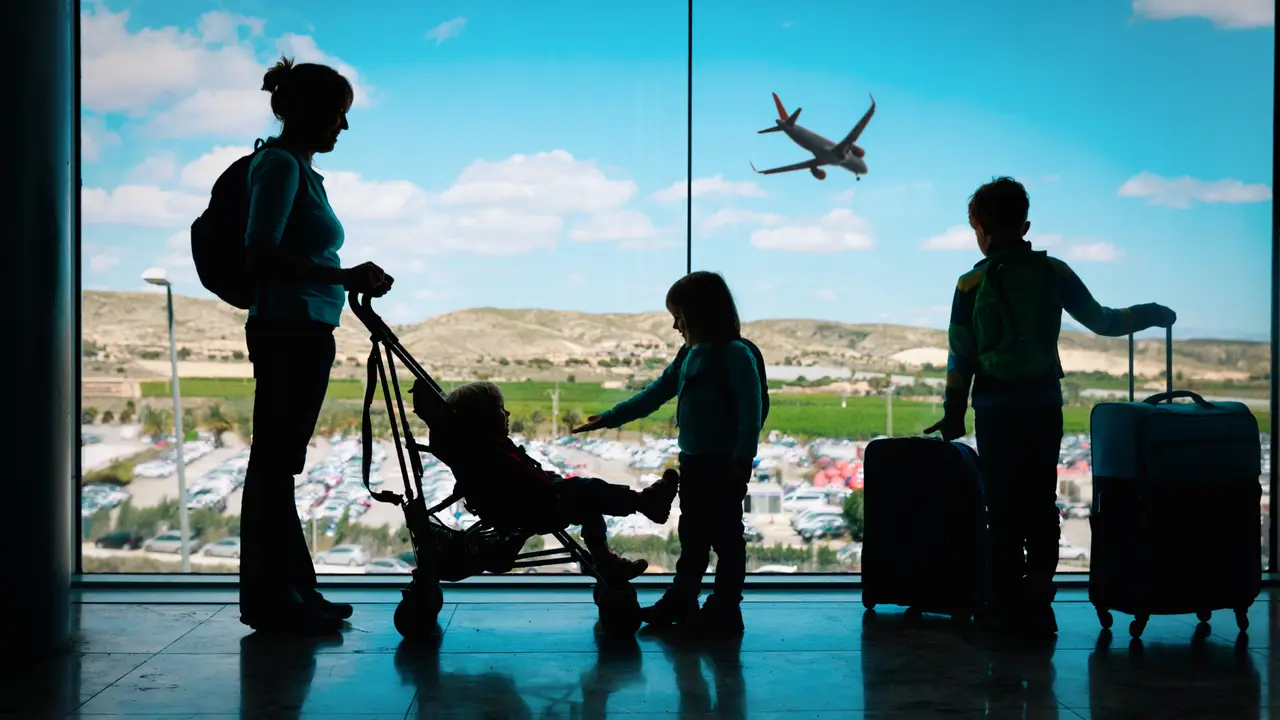
Ensuring smooth transportation with children is a common concern for parents, and it’s important to plan ahead. To find valuable information on transportation options, you can visit official websites like the public transportation authority of your destination. In addition to public transportation, it’s advisable to check whether car seats are required when using taxis or rental cars. If needed, you can bring your own on the flight to be prepared for any situation. The use of baby strollers is also highly advantageous as it serves both for outings and for a quick nap anywhere, whether in a café, restaurant, or even during a walk.
8. Entertainment during travel
Questions about how to keep children entertained during flights, car rides, or other forms of transportation. É sempre importante evitar birras ou aborrecimentos durante viagens com crianças. For this we created a list of toys and forms of entertainment you can bring on a trip with children.

9. Local rules and customs
Concerns about cultural norms and local rules that may affect family travel. It’s crucial to research and familiarize yourself with the customs of the destination you’re visiting, especially when traveling with children.
One valuable resource for gathering information on local rules and customs is the official website of the country’s embassy or consulate. These websites typically provide travelers with essential guidelines, including visa requirements, safety advisories, and information on cultural etiquette. For example, the UK government’s travel advice website offers valuable insights into the rules and customs of various countries, ensuring that you’re well-prepared for your family trip.
In summary, researching and respecting local rules and customs is a fundamental aspect to ensure that your family trip is culturally enriching and enjoyable.
10. Budget
Managing the budget for a family trip is a common concern for parents, but with careful planning, it’s possible to have a memorable and affordable vacation. Families can benefit from travel deals, discounts for children at attractions, and travel during off-peak seasons to save costs. Online budget tools and credit card rewards can provide financial insights and benefits. Additionally, choosing accommodations with kitchen facilities, exploring local markets and street food, and seeking out budget-friendly attractions can help control expenses.
Final Thoughts
These are just some common questions parents often ask before or sometimes during their travels with children. Each trip is unique, and concerns vary based on the children’s age, chosen destination, and specific family needs. It’s important to plan ahead, conduct detailed research, and if possible, reach out to other parents who have traveled to the same destination for tips and advice.
If you want to read more about: “Top 10 essential items you can’t forget in children’s travel luggage (Generation Alpha)”